
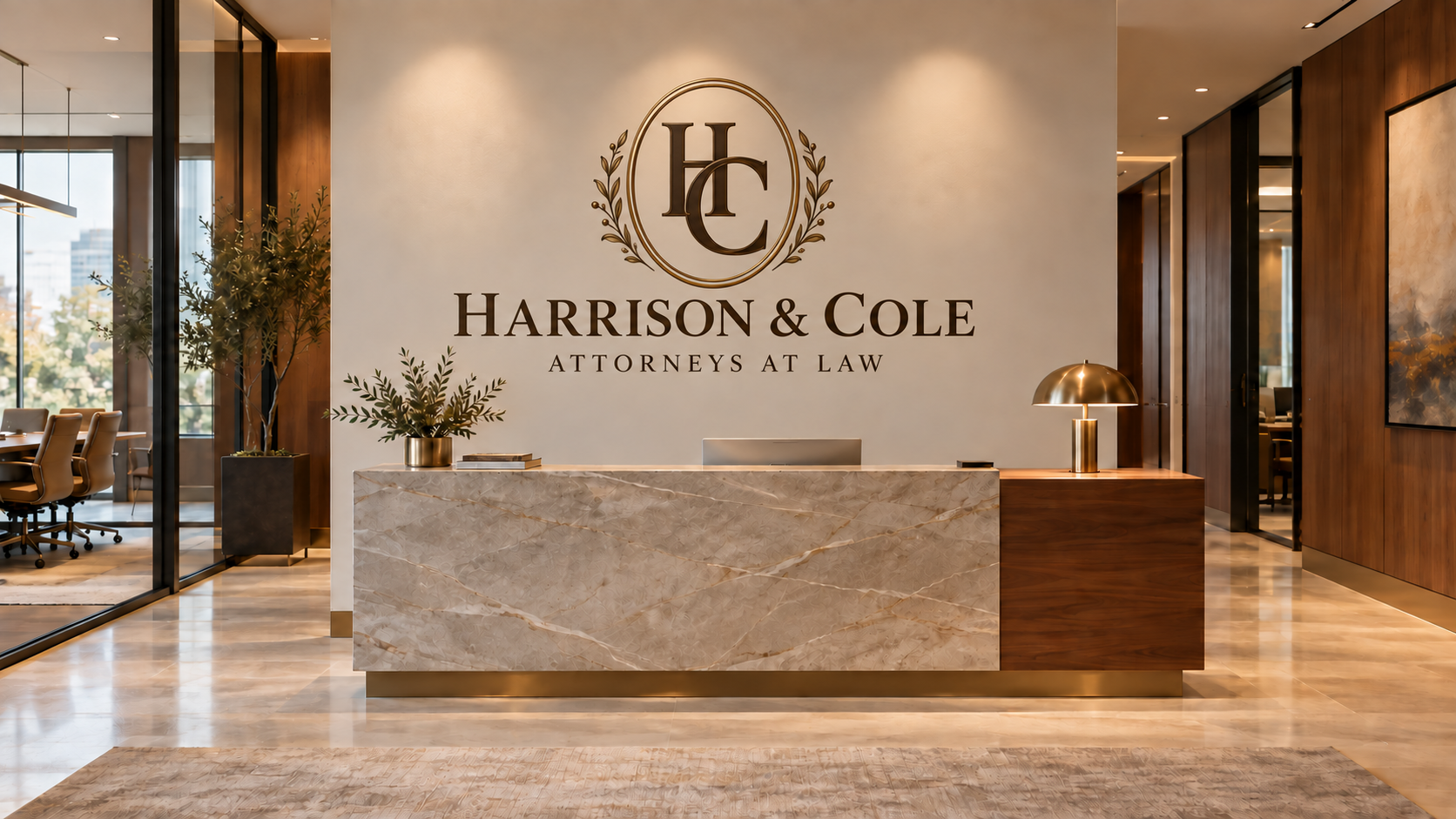
What is direct-to-wall printing?
Direct-to-wall printing places the image onto the prepared wall with a vertical printer. There is no separate sheet of wallpaper or adhesive vinyl between the artwork and the surface. The result can feel integrated with the architecture because the wall’s own character remains part of the finished piece.
The wallPen E2 manufacturer describes its system as applying artwork and logos directly to vertical surfaces with UV ink that cures immediately. Its published specifications include full CMYK color and murals with unrestricted width, subject to the site, wall, and equipment setup. See the wallPen technology overview.
What are vinyl wall graphics?
Vinyl graphics are printed on an adhesive film, prepared away from the wall, and then installed onto the surface. They can include full wall wraps, contour-cut logos, lettering, decals, and temporary promotional graphics. Large designs may be divided into panels for production and installation.
Vinyl is not one universal material. Manufacturers offer films with different adhesives, finishes, textures, opacity, and intended service lives. For example, Avery Dennison’s wall-film range includes removable and textured products, while 3M emphasizes testing adhesion and selecting the appropriate film for each wall. Review the Avery Dennison 8000 wall-film range and 3M’s wall application guidance.
How the finished appearance differs
Direct printing is a strong candidate when the goal is a painted-in-place appearance without vinyl panel seams. It works especially well for artwork that can transition naturally into the surrounding wall. Wall Stories designs direct-printed artwork to feather before every physical wall edge, keeping key details away from the ceiling, floor, corners, and side boundaries.
Vinyl can add its own finish and visual texture. Depending on the selected film, it can create a smooth, matte, fabric-like, or textured presentation that is different from the underlying paint. It can also support sharply cut lettering and isolated graphic elements.
Which option works better for future changes?
If a restaurant changes seasonal promotions or an office updates messaging regularly, a purpose-selected removable vinyl may be the more practical choice. Removal still requires care: Avery Dennison notes that even a removable adhesive does not guarantee a wall will remain undamaged, so paint condition and compatibility matter.
Direct-to-wall printing is better approached as a designed feature of the room. The graphic can be painted over when the space eventually changes, but that decision may involve surface preparation and repainting. Ask how long the design should remain before selecting the production method.
How wall condition affects the decision
Neither method makes surface preparation optional. Direct printing requires a suitable, stable wall and enough access for the printer. Vinyl requires a compatible paint and surface that can hold the selected adhesive. Highly textured, dusty, damaged, damp, or recently painted walls need additional review.
For either option, send a straight-on photo, a close-up of the texture, wall measurements, paint details, and the location of outlets or permanent fixtures. Our wall preparation checklist explains what to gather before a consultation.
A practical way to choose
Consider direct-to-wall printing when: you want the art to feel embedded in the room; avoiding vinyl seams is important; the wall’s existing finish supports the design; and the mural is intended as a lasting feature.
Consider vinyl wall graphics when: the design may change more frequently; you need contour-cut logos, lettering, or decals; a specialty film finish is part of the concept; or the project requires graphics to be produced before access to the space.
Consider using both when: a space needs a permanent mural plus changeable promotional messaging, glass graphics, directional decals, or seasonal details. A restaurant, for example, might pair a direct-printed feature wall with replaceable vinyl hours or campaign graphics.
There is no one-size-fits-all answer
The artwork and the wall should be evaluated together. A simple logo may be ideal as a cut decal, while a detailed scene may benefit from direct printing. In another room, a specialty wall film could provide the finish the design needs. Wall Stories Creative can help compare the choices based on your wall, your visual goal, and the way the space is used.
Manufacturer references describe their own systems and materials. Final suitability, durability, preparation, and removal expectations should be confirmed for the exact wall and product selected.
Not sure which wall-graphic method fits?
Send Wall Stories Creative a photo, approximate dimensions, and the idea you have in mind. We’ll discuss direct-to-wall printing, wall decals, or a coordinated approach for your office, restaurant, commercial space, or home.
Request a consultation